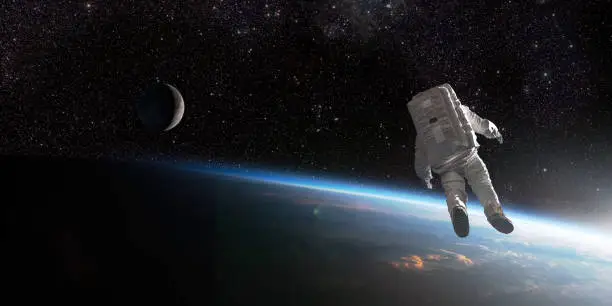
For decades, the Moon has been a silent neighbor—a distant “been there, done that” relic of the 1960s. But look up tonight, because everything is about to change.
We aren’t just going back to the Moon; we’re going back to stay.
NASA’s Artemis program isn’t a “sequel” to Apollo. It’s a complete reboot of how humanity interacts with the cosmos. Just days ago, on April 10, 2026, the world watched in awe as the Artemis II crew splashed down safely in the Pacific after a historic 10-day journey around the lunar far side. For the first time in over 50 years, humans have seen the Moon up close—and this is only the beginning.
More Than Just Footprints
While Apollo was about proving we could get there, Artemis is about what we can do there. Here’s why this era feels different:
- Diversity in the Stars: Artemis is committed to landing the first woman and the first person of color on the lunar surface. Our return to the Moon will finally look like the world that’s sending them.
- The Lunar South Pole: Forget the dusty plains of the equator. Artemis is heading for the South Pole—a region of “eternal shadows” where water ice is tucked away in craters. This ice isn’t just for drinking; it’s the “oil” of the future, capable of being broken down into oxygen and rocket fuel.
- A Pit Stop for Mars: Think of the Moon as a deep-space laboratory. By building the Gateway (a mini-station orbiting the Moon) and a base camp on the surface, NASA is testing the tech we need to eventually survive the seven-month trek to Mars.
The Road Ahead: What’s Next?
Now that Artemis II has secured its place in the history books, the world is watching the next big milestones. NASA is currently prepping Artemis III for a mid-2027 launch. This mission will put new lunar landers—like SpaceX’s Starship—and next-gen Axiom spacesuits through high-stakes tests in Earth orbit. If everything stays on track, Artemis IV will put boots on lunar soil in 2028.
Why Should You Care?
Space might feel “out there” and disconnected from life “down here,” but the Artemis program is already driving a new “Moon Rush.” This mission fuels breakthroughs in robotics, medicine, and sustainable energy—solutions that will improve life on Earth long before they reach the Moon.
We no longer have to settle for remembering the Moon landing; we are living it. The “Artemis Generation” has officially arrived. Are you ready for the ride? 🚀🌕